Ulcerative Colitis
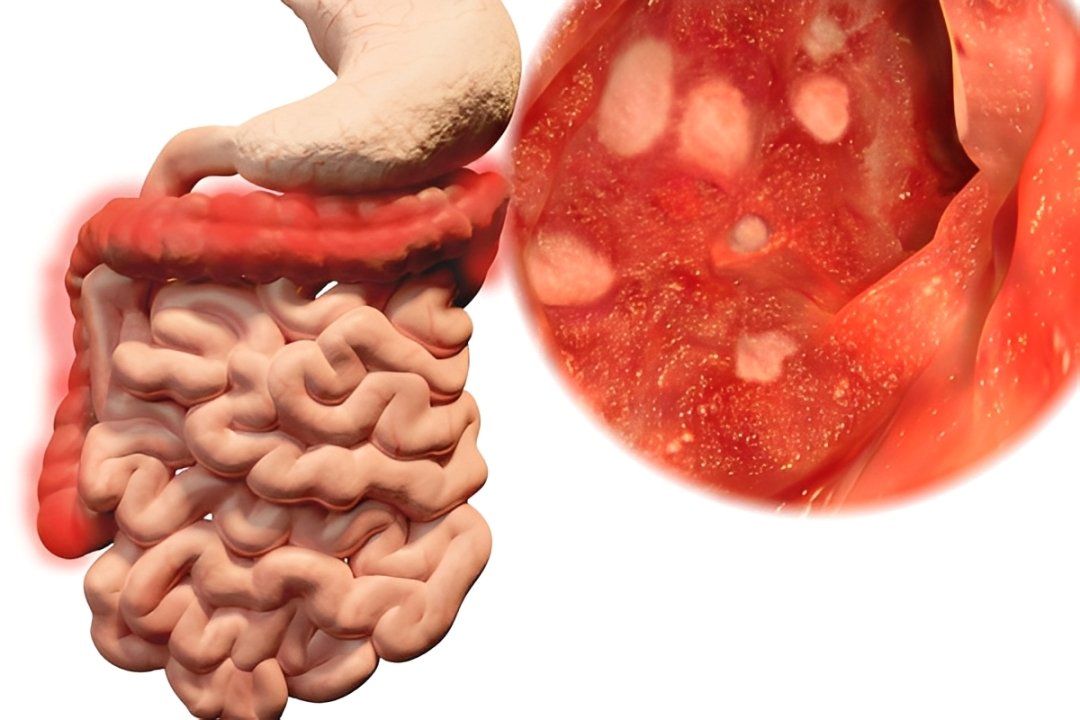
Understanding Ulcerative Colitis and Its Management
Ulcerative Colitis (UC) is a chronic inflammatory condition of the colon and rectum. It causes inflammation and small ulcers in the lining of the large intestine, leading to gastrointestinal discomfort and digestive issues. While UC is a long-term condition, proper management and care can help patients lead a normal, healthy life.
1. What is Ulcerative Colitis?
UC is a type of inflammatory bowel disease where the immune system mistakenly attacks the colon lining, resulting in inflammation and ulcer formation. The inflammation usually starts in the rectum and can extend to other parts of the colon. Genetic, environmental, and immune factors are thought to contribute to the development of this condition.
Dr. Rohit Sharma, a leading gastroenterologist, specializes in diagnosing and managing Ulcerative Colitis and is widely recognized for his expertise in complex inflammatory bowel diseases.
2. Symptoms of Ulcerative Colitis
Common signs of UC include:
- Abdominal pain: Cramping, often in the lower abdomen.
- Chronic diarrhea: May contain blood or mucus.
- Rectal bleeding: Blood in stools due to colon ulcers.
- Urgent bowel movements: Sudden and frequent need to defecate.
- Weight loss: Unintended loss due to malabsorption.
- Fatigue: Persistent tiredness or low energy levels.
- Fever: Low-grade fever in some cases.
3. Types of Ulcerative Colitis
- Ulcerative Proctitis: Limited to the rectum, causing rectal bleeding and urgency.
- Proctosigmoiditis: Involves the rectum and lower colon (sigmoid), leading to bloody diarrhea and abdominal pain.
- Left-Sided Colitis: Extends from rectum through the left colon, causing pain, diarrhea, and weight loss.
- Pancolitis: Inflammation of the entire colon, leading to severe diarrhea, abdominal pain, fatigue, and weight loss.
- Fulminant Colitis: A rare but severe form that may lead to life-threatening complications such as dehydration or shock.
4. Causes of Ulcerative Colitis
Although the exact cause is unknown, several factors may contribute:
- Genetics: Family history can increase susceptibility.
- Immune system response: The immune system may attack healthy colon tissue by mistake.
- Environmental factors: Diet, lifestyle, and stress may trigger flare-ups.
- Gut microbiome imbalance: Altered gut bacteria may play a role in the development of UC.
5. Treatment of Ulcerative Colitis
Effective management focuses on reducing inflammation, relieving symptoms, and maintaining long-term remission. Treatments personalized by Dr. Rohit Sharma include:
-
Medications:
o Anti-inflammatory drugs: Aminosalicylates and corticosteroids to reduce inflammation.
o Immunosuppressants: Azathioprine or cyclosporine to control immune activity.
o Biologics: Target specific proteins responsible for inflammation. -
Lifestyle modifications:
o Dietary adjustments, stress management, and regular monitoring to prevent flare-ups. -
Surgery:
o In severe cases where medication fails, colectomy or partial colon removal may be necessary.
Dr. Rohit Sharma combines advanced therapies with personalized care plans to ensure effective management and long-term relief for Ulcerative Colitis patients.
6. Q&A about Ulcerative Colitis
Q1: Can Ulcerative Colitis be cured?
A: There is no complete cure, but symptoms can be effectively managed and
long-term remission achieved with proper care.
Q2: How is UC diagnosed?
A: Diagnosis is done through blood tests, stool samples, colonoscopy, and
imaging to evaluate inflammation in the colon.
Q3: Which dietary changes help manage UC?
A: Low-residue diets during flare-ups may reduce symptoms. Consultation with a
specialist helps create a personalized diet plan.
Q4: Does stress affect Ulcerative Colitis?
A: Stress does not cause UC but can exacerbate symptoms. Relaxation techniques
can help reduce flare-ups.
Q5: When is surgery required?
A: Surgery is considered if medications fail or complications occur, such as
severe bleeding or colon perforation. Colectomy is the most common surgical
intervention.
For expert care and long-term management of Ulcerative Colitis, consult Dr. Rohit Sharma, a leading gastroenterologist providing personalized and comprehensive treatment plans.