Crohn's Disease
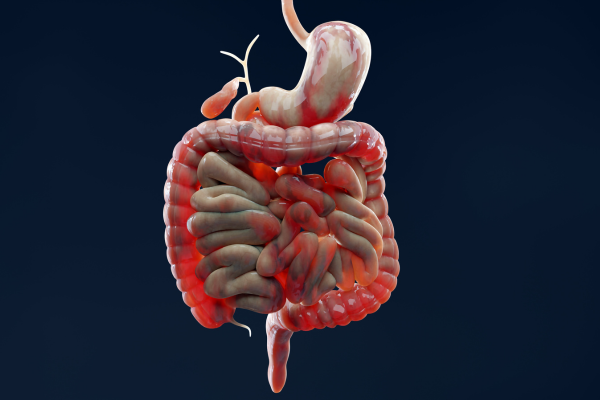
Understanding Crohn's Disease
Crohn's Disease is a chronic inflammatory bowel disease (IBD) affecting the lining of the digestive tract. It can impact any part of the gastrointestinal tract, from the mouth to the anus, though it most commonly involves the small intestine and the beginning of the large intestine. Early diagnosis and expert management are essential to prevent complications and improve quality of life.
Dr. Rohit Sharma, recognized as the Best Gastroenterologist in Mumbai, provides personalized, evidence-based care for Crohn's Disease, ensuring optimal management and improved patient outcomes.
1. Symptoms of Crohn's Disease
Symptoms vary depending on the affected area and severity of inflammation, including:
- Persistent diarrhea
- Abdominal pain and cramping
- Weight loss and malnutrition
- Fatigue and low energy
- Fever
- Blood in stool
- Loss of appetite
Untreated Crohn's Disease can result in complications such as intestinal blockages, ulcers, fistulas, and nutritional deficiencies.
2. Types of Crohn's Disease
Classification is based on the affected gastrointestinal region:
- Ileocolitis: Inflammation of the ileum and colon, the most common form.
- Ileitis: Inflammation limited to the ileum.
- Gastroduodenal Crohn's Disease: Affects the stomach and the duodenum.
- Jejunoileitis: Inflammation in the jejunum (middle small intestine).
- Crohn's Colitis: Involvement of the colon, presenting with symptoms similar to ulcerative colitis.
3. Causes of Crohn's Disease
- Genetics: Family history of IBD increases susceptibility.
- Immune System Dysfunction: The immune system attacks healthy digestive tract cells.
- Environmental Factors: Diet, smoking, and certain medications may contribute to disease development.
- Infections: Bacterial or viral infections can trigger abnormal immune responses in genetically predisposed individuals.
4. Treatment of Crohn's Disease
While there is no cure, Crohn's Disease can be effectively managed with personalized treatment plans, including:
- Medications: Anti-inflammatory drugs, immunosuppressants, and antibiotics to control inflammation and symptoms.
- Diet and Nutrition: Specialized diets to reduce flare-ups and manage malnutrition.
- Surgery: Reserved for severe cases or complications, such as blockages or fistulas.
- Lifestyle Changes: Smoking cessation, stress management, and healthy habits to minimize flare-ups.
Dr. Rohit Sharma provides comprehensive, multidisciplinary care, ensuring every aspect of Crohn's Disease is addressed for long-term wellness.
5. Q&A about Crohn's Disease
Q1: Can Crohn's Disease be cured?
A: No, but symptoms can be managed effectively with treatment and lifestyle
adjustments, allowing a normal life.
Q2: What triggers flare-ups?
A: Triggers include stress, certain foods, infections, and smoking. Identifying
and managing these factors helps reduce flare-ups.
Q3: Is surgery always necessary?
A: Surgery is reserved for patients who do not respond to medications or have
complications like blockages or fistulas.
Q4: How is Crohn's Disease diagnosed?
A: Diagnosis involves blood tests, stool analysis, colonoscopy, endoscopy, and
imaging studies such as CT scans or MRI.
Q5: Can diet help manage Crohn's Disease?
A: Yes, personalized nutrition plans help reduce symptoms, prevent malnutrition,
and support overall gut health.
With years of experience, Dr. Rohit Sharma is a trusted gastroenterologist in Mumbai, offering patient-centered care and advanced treatments for Crohn's Disease. Consult Dr. Sharma for expert guidance and management of this chronic condition.